Home » BWINDI GORILLA FAMILIES, HABITUATED GORILLA FAMILIES IN BWINDI IMPENETRABLE NATIONAL PARK
BWINDI GORILLA FAMILIES, HABITUATED GORILLA FAMILIES IN BWINDI IMPENETRABLE NATIONAL PARK
Discover the fascinating gorilla families of Bwindi Impenetrable National Park tracked during Uganda gorilla tours and learn more about their gorilla habitats, behaviors, and conservation efforts.
Bwindi Impenetrable National Park, a UNESCO World Heritage Site in southwestern Uganda, protects nearly half the world’s mountain gorillas.
As of now, the park hosts over 20 habituated gorilla families open for trekking across four sectors: Buhoma, Ruhija, Rushaga, and Nkuringo.
These habituated gorilla groups, carefully acclimated to humans over the years, allow visitors a rare one-hour encounter with these gentle giants in their misty rainforest home, supporting vital conservation through Uganda gorilla safaris and mountain gorilla trekking excursions.
Let us give you more detailed information about the Bwindi gorilla families!
Bwindi Impenetrable National Park—The Ultimate Gorilla Trekking Hub in Uganda
Nestled in Uganda’s southwest along the Albertine Rift, Bwindi spans ancient montane and lowland forests teeming with biodiversity, including over 120 mammals and 350 bird species. Home to around 460 mountain gorillas, it’s the premier spot for gorilla trekking in Uganda. Divided into four sectors for managed tours, Bwindi offers thrilling hikes through dense terrain, with habituated gorilla families providing intimate views of gorilla behavior amid stunning landscapes.
What Is a Habituated Gorilla Troop/Family?

A habituated gorilla family is a group of mountain gorillas gradually accustomed to human presence through a 2-3 year process by rangers and researchers. This allows safe, non-disruptive observation for tourism and study without altering natural behaviors.
In Bwindi, strict rules limit visits to eight tourists per group daily for one hour with habituated gorilla groups, minimizing impact while funding conservation and offering unforgettable Uganda gorilla trekking encounters.
History of Habituated Gorilla Families in Uganda’s Bwindi Impenetrable Forest National Park
Gorilla habituation in Bwindi began in the early 1990s after the area became a national park in 1991. The Mubare gorilla family was the first and it was opened for tourism in 1993, marking the start of sustainable gorilla trekking in Uganda.
Over decades, careful acclimation expanded to over 20 gorilla families today, with groups splitting naturally due to dynamics like silverback leadership changes.
This growth has boosted conservation, with tourism revenue protecting mountain gorillas from threats like poaching and habitat loss.
Bwindi Impenetrable NP, Uganda Gorilla Trekking Sectors and Families
Buhoma Sector (7 Families in the Northwest Side of Bwindi National Park)
Buhoma, the northern gateway and most accessible sector, pioneered gorilla tourism with easier trails and proximity to park headquarters. It’s ideal for first-time trekkers, offering shorter hikes (2-5 hours) through scenic valleys with chances to spot other wildlife.
Home to seven habituated families, Buhoma features well-developed infrastructure and diverse accommodations, making it a top choice for Uganda gorilla safaris.
RUSHEGURA GORILLA FAMILY
The Rushegura gorilla family, which split from the Habinyanja gorilla family in 2002, is known for its calm nature and proximity to Buhoma headquarters, often providing easier sightings. Led by a dominant silverback, Mwirima, this calm family/welcoming group of around 17-19 members frequently ventures near lodges, offering relaxed observations of feeding and social interactions during gorilla trekking expeditions.
MUBARE GORILLA FAMILY GROUP
As Bwindi’s oldest habituated group, which opened for tourism in 1993, Mubare holds historical significance. Named after the Mubare hills, it started with 12 members under the silverback Ruhondeza.
Despite challenges like raids reducing numbers, it has recovered, and now the gorilla group consists of 9 individuals, including adult females under new leadership, making it a symbolic choice for immersive Uganda mountain gorilla trekking.
HABINYANJA GORILLA FAMILY
Habituated in 1997, Habinyanja derives its name from a local word for “body of water,” reflecting its discovery site. This dynamic group of around 17 members, including adult females, led by dominant silverback Makara, features complex social structures and occasional drama from past splits, providing fascinating insights into gorilla family life not seen in other gorilla families.
KATWE GORILLA FAMILY
A newer addition, habituated around 2018, the Katwe gorilla family offers adventurous treks deeper into the forest. Comprising about 9–10 members, including adult females led by a strong silverback, this growing family showcases evolving dynamics and rewards patient trekkers with rewarding encounters in Buhoma’s rugged terrain, unlike other groups.
MUYAMBI GROUP
Formed in 2019 from a Mubare split, Muyambi is a small, cohesive family of around 7 members, including adult females, led by its namesake silverback. Known for playful infants, it symbolizes leadership transitions and provides intimate, entertaining views during gorilla trekking in Buhoma, not seen in other families.
BINYINDO GORILLA GROUP
Habituated by 2019, Binyindo features a distinctive, wide-nosed silverback leading about 9 members, including adult females. This stable group offers consistent sightings and highlights gorilla resilience, adding variety to Buhoma’s diverse habituated gorilla troops.
KANYWANYI GROUP
One of Buhoma’s newest, Kanywanyi, is a small, stable family of about 5 members, including adult females. It provides unique opportunities to observe emerging gorilla group behaviors in a less-traveled context.
Ruhija Sector (4 Families in the East Part of Bwindi Forest National Park)
Ruhija, in eastern Bwindi at a higher altitude (around 2,340m), offers cooler temperatures, scenic ridge trails, and excellent birding alongside gorilla trekking. With four families, it’s quieter and more remote, suiting nature lovers seeking peaceful hikes through misty forests with moderate to challenging terrain.
BITUKURA GORILLA FAMILY
Habituated quickly in 2008, the Bitukura gorilla family is renowned for harmony among multiple silverbacks (four), with the whole group totaling around 14 members, including adult females. This peaceful family, named after a river, frequently interacts calmly, providing serene and insightful gorilla trekking safari experiences in Ruhija.
ORUZOGO GORILLA FAMILY
Led by dominant silverback Tibirikwata, the Oruzogo gorilla family is Ruhija’s liveliest group with playful juveniles and past twins. Around 25 members, including adult females, make it energetic and entertaining, famous for the dynamic behaviors that captivate visitors on Uganda gorilla tours.
KYAGURIRO GORILLA FAMILY
Originally reserved for research under the leadership of dominant silverback Zeus, Kyaguriro split into subgroups A and B after Zeus was banished by Rukina, with parts open for trekking. This elusive family of around 10-15 members offers rewarding longer hikes, showcasing deeper forest dynamics.
MUKIZA GORILLA FAMILY
A Kyaguriro splinter led by dominant silverback Mukiza, this group of about 12-22 members roams mid-altitudes. Charismatic and consistent for sightings, it adds variety to Ruhija’s habituated troops.
Rushaga Sector (10 Families in the South Side of Bwindi)
Rushaga in southern Bwindi boasts the most families (around 10), plus exclusive gorilla habituation experiences allowing four hours with semi-habituated groups. Steeper terrain challenges fit trekkers, but high gorilla density and accessibility reward them with diverse encounters and Virunga views.
NSHONGI GORILLA FAMILY | NSHONGI GORILLA GROUP
The largest group ever habituated in Bwindi NP, initially comprising 36 members, the Nshongi group now has around 18-25 members after splits. Named for a honey-colored river, this harmonious group occupies vast areas, often revealing other primates during treks.
MISHAYA GORILLA FAMILY
Known for its fierce silverback leader Mishaya, the Mishaya gorilla family split from the Nshongi group to form its own independent group and grew through battles to about 12 members, including adult females. This Mishaya gorilla group, known for its fighting character, offers dramatic observations in Rushaga.
BWEZA GORILLA FAMILY
The Bweza gorilla family, a splinter group from the Nshongi gorilla family led by dominant silverback Mishaya, has around 9 members. Independent and near communities, this gorilla group offers unique boundary sightings.
BUSINGYE GORILLA FAMILY
Split from Kahungye, the Busingye gorilla group, whose name, ‘Busingye,’ a local word, means “peace”; ironically, it’s known for its aggressive leader, notorious for acquiring females. About 9 members make the Busingye gorilla family intriguing for power dynamics.
KAHUNGYE GORILLA FAMILY
Habituated in 2011 with an initial 27 members, the Kahungye gorilla family split but remains active with around 13 members under the dominant silverback Rumansi. Multi-silverback tolerance highlights its appeal.
RWIGI GROUP
The Rwigi gorilla group, a recent breakaway from the Kahungye family to form its own family, boasts small numbers under the leadership of its dominant silverback, providing new perspectives on gorilla group dynamics.
MUCUNGUZI GORILLA FAMILY/GROUP
Led by former solitary Mucunguzi after raids to form his own group, this 8-member group showcases resilience and a female-dominated composition.
BIKINGI GORILLA FAMILY/GROUP
Formed post-silverback Mishaya dispersal: Bikingi grew its own family to around 21 family members, often tracked for habituation, providing extended views.
KUTU GORILLA FAMILY
Formerly for habituation, Kutu, a formerly wild gorilla family, is now open with about 8-20 members, adding to Rushaga’s variety of mountain gorilla families.
TINDATINE GROUP
Newest splitter from the Nshongi group, Tindatine, offers emerging family experiences.
Nkuringo Sector (4 Families in the Southwest Part of Bwindi)
Nkuringo in southwest Bwindi features breathtaking ridge views and challenging steep hikes, suiting adventurous trekkers. With four families, it’s scenic and less crowded, rewarding with dramatic elevation and Virunga backdrops.
NKURINGO GORILLA FAMILY/NKURINGO GROUP
The Nkuringo gorilla family, which is the namesake of the sector and was habituated in 2004, has around 19 members and is led by dominant silverback Safari, who is one of the successors after past leaders were involved in crop-raiding and have since become a tourism icon through valley forages.
BUSHAHO GORILLA FAMILY
Formed from Nkuringo dispersals, Bushaho, led by a dominant silverback named Bahati, has about 12 members, highlighting parallel group evolution.
CHRISTMAS GORILLA FAMILY
Named after its silverback leader (Christmas), who was born on Christmas Day, this 9-member group in the Nkuringo sector of Bwindi NP offers cozy views near premium lodges.
POSHO GORILLA FAMILY
Newly habituated by 2023 which broke away from the Nkuringo group led by dominant silverback Rafiki, the Posho gorilla group, with 17 members now under Magara, a dominant silverback, provides fresh trekking opportunities.
Additional Information to Consider Related to Uganda Gorilla Safaris
Other Habituated Gorilla Families in Uganda
NYAKAGEZI GORILLA FAMILY—MGAHINGA GORILLA NATIONAL PARK
The Nyakagezi gorilla family is the only habituated group in Mgahinga National Park, with around 10 members, including multiple silverbacks, coexisting peacefully. Known for trans-boundary movements but now settled, this mobile family offers unique Virunga volcano-backed treks in Uganda’s smaller gorilla park.
The Uganda Gorilla Trekking Experience in Bwindi Impenetrable NP
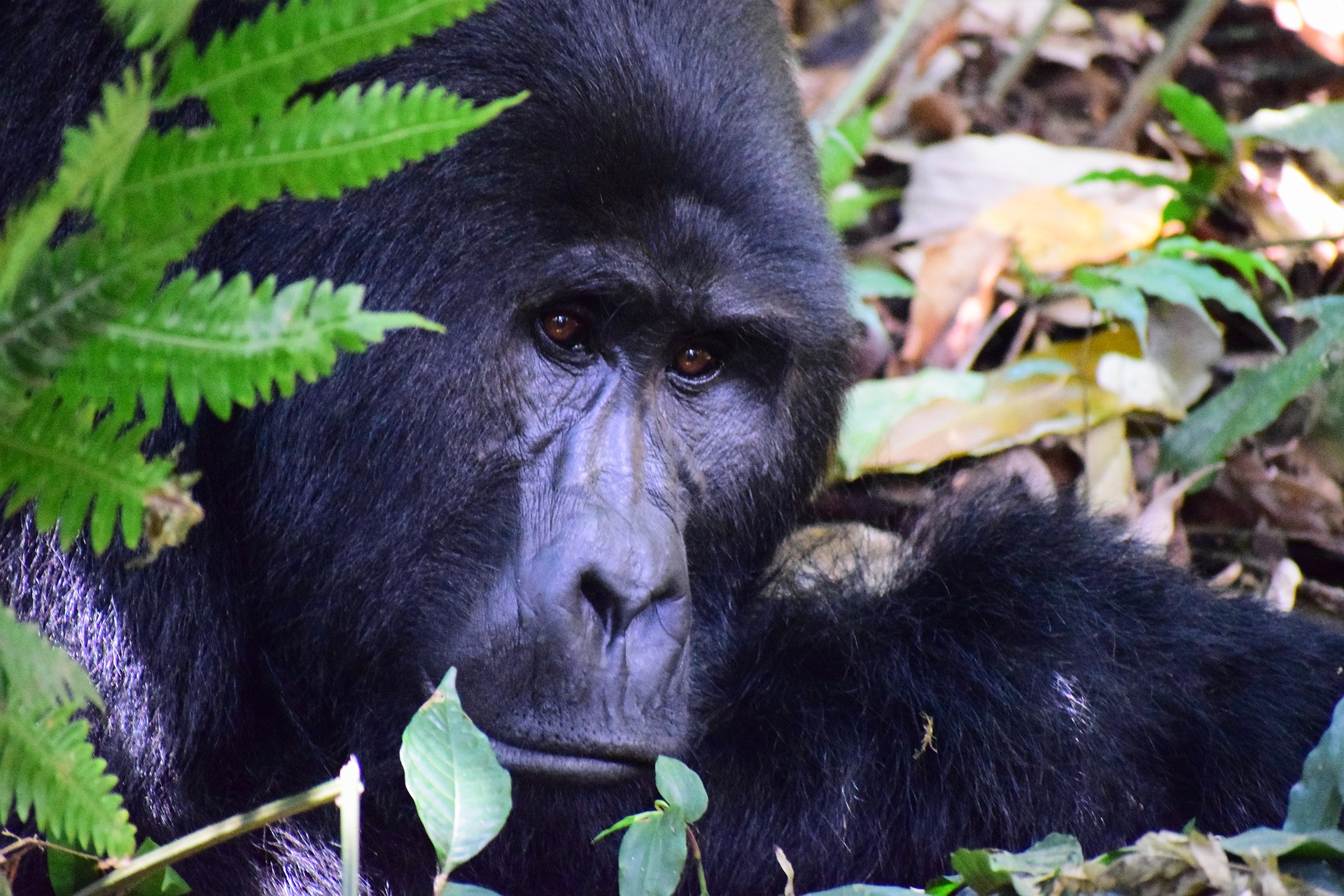
Gorilla trekking in Bwindi starts early with a detailed briefing on safety rules and gorilla etiquette at the sector or park headquarters.
Guided by experienced rangers, groups of up to eight visitors embark on hikes lasting 2–7 hours through steep, dense, and often muddy terrain to locate their assigned habituated family.
Once found, you enjoy one unforgettable hour observing mountain gorillas in their natural habitat—watching them feed, groom, play, and rest up close.
The trek can be physically demanding, but porters are readily available for hire (around $15–20 per day) to carry bags and provide support on challenging paths in Bwindi. Along the way, expect bonus sightings of forest birds, monkeys, and other wildlife.
Permits cost $800 USD for foreign non-residents and $700 USD for foreign residents and must be booked 3–6 months in advance through the Uganda Wildlife Authority or trusted operators, especially for peak dry-season dates when demand is highest.
The Uganda Gorilla Habituation Experience in Rushaga Sector of Bwindi Impenetrable National Park
Exclusive to Rushaga, habituation allows four hours with semi-acclimated families, offering deeper insights into ranger work and gorilla behaviors. Limited to fewer visitors, it’s ideal for photographers and enthusiasts seeking extended time with these endangered primates during Uganda safaris.
The Mountain Gorillas -Star Attraction
Mountain gorillas are the undisputed star attraction of Bwindi Impenetrable National Park, a UNESCO Heritage Site in Uganda that shelters nearly half the world’s remaining population—around 459 individuals based on the last full census (over 1006 individuals recorded in 2018), with a 2025 survey underway promising updated figures.
These endangered gentle giants, sharing 98% of our DNA, draw visitors worldwide for intimate trekking encounters, observing family dynamics like feeding, grooming, and playful juveniles in misty ancient rainforests.
Mountain gorillas, found exclusively in the Virunga massif and Bwindi forests of just three countries—Uganda, Rwanda, and the Democratic Republic of Congo—lead highly mobile lives. Each day, these endangered primates construct new nests in fresh locations to forage for food, adding an exciting element of unpredictability and adventure to every gorilla trekking tour in Uganda’s Bwindi Impenetrable National Park.
Responsible tourism fuels vital conservation, turning Bwindi into Africa’s premier gorilla destination.
Other Attractions in Bwindi Impenetrable National Park
Bwindi’s ancient rainforest and UNESCO status offer far more than gorillas. Key highlights include:
- Stunning Waterfalls—Such as those on the Munyaga River and Mubwindi Swamp trails
- Diverse Flora—Over 160 tree species, 100 ferns, and vibrant butterflies (more than 200 species)
- Rich Birdlife—Home to over 350 species, including 23 Albertine Rift endemics like the African green broadbill
- Other Primates and Mammals—Chimpanzees (heard more than seen), L’Hoest’s monkeys, black-and-white colobus, and forest elephants
- Panoramic Views—Of the Virunga volcanoes, Western Rift Valley, and distant Rwenzori Mountains from hilltop trails
- Local Communities—Surrounding villages with cultural insights and scenic farmlands
Other Activities Done in Bwindi Impenetrable National Park
Beyond gorilla trekking and habituation, Bwindi provides immersive ways to explore its biodiversity:
- Guided Nature Walks and Hiking Trails → Options like Muyanga Waterfall Trail, Rushura Hill Trail, Ivy River Trail, and Mubwindi Swamp Walk for scenery, primates, and birds
- Birdwatching → A top African spot with specialized trails in Buhoma, Ruhija, and bamboo zones
- Batwa Cultural Experience → Interact with indigenous Batwa pygmies to learn traditional hunting, gathering, medicine, dances, and forest life (outside the park)
- Community and Village Walks → Visits to local groups like Ride 4 a Woman or Buhoma Community tours for cultural exchanges
- Mountain Biking/Cycling → Guided rides around Buhoma or along trails like the Ivy River
- Multi-Day Forest Hikes → Cross-park treks from Buhoma to Nkuringo with overnight options
Gorilla Trekking Rules and Regulations to Follow in Bwindi National Park
- Maintain a 7-10 meters distance from gorillas
- No trekking if sick (colds can harm gorillas)
- Maximum 1 hour with gorillas
- Groups limited to 8 visitors per family daily
- No flash photography
- Quiet voices; no pointing or sudden movements
- No eating/drinking near gorillas
- Cover mouth when coughing/sneezing
- No littering
- Minimum age 15 years
- Follow the guide instructions at all times
- Bury human waste if needed in the forest
World-Class Bwindi Safari Lodges and Hotels
Visitors can stay in lodges located in the Buhoma, Ruhija, Nkuringo, and Rushaga sectors of Bwindi when on Uganda gorilla tours. These include.
CLOUDS MOUNTAIN GORILLA LODGE
This exclusive high-altitude lodge in Nkuringo offers stone cottages with fireplaces, panoramic Virunga views, and personalized butler service—a perfect luxury base for southern sector treks.
NKURINGO BWINDI GORILLA LODGE
Eco-luxury on Nteko Ridge with suites overlooking forest and volcanoes, emphasizing sustainability and community support near the Nkuringo trailhead.
BUHOMA LODGE
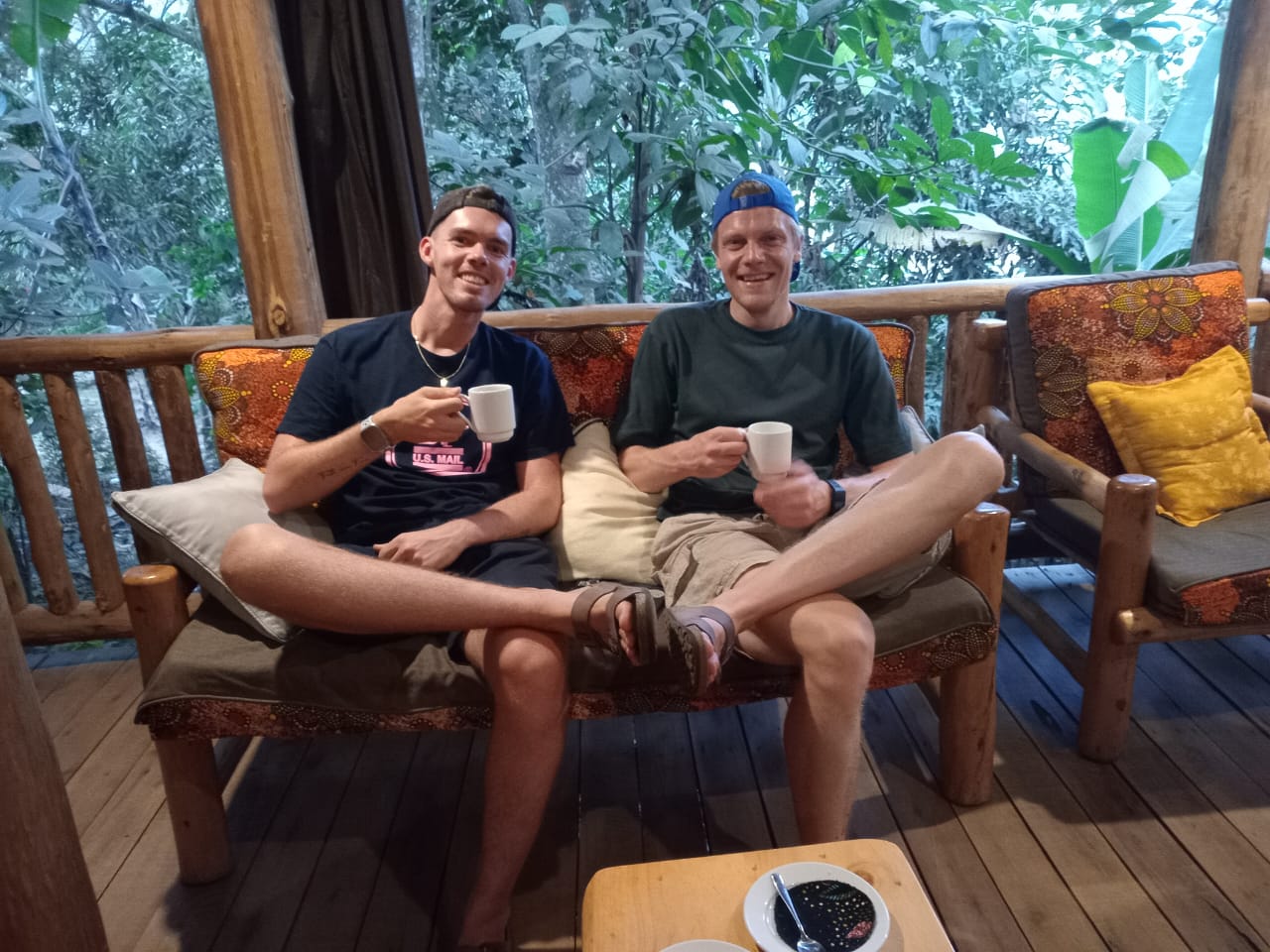
Top-rated eco-lodge in Buhoma with elevated views, cozy cottages, and easy access to northern families for seamless trekking.
MAHOGANY SPRINGS
Luxury riverside lodge in Buhoma featuring spacious suites, terraces, and fine dining amid serene settings.
SANCTUARY GORILLA FOREST CAMP
Iconic tented camp inside park boundaries in Buhoma, offering authentic immersion with frequent gorilla visits nearby.
| Sector | Luxury | Mid-range | Budget |
| Rushaga | Four Gorillas Lodge, Rushaga Gorilla Lodge | Rushaga Gorilla Camp, Gorilla Valley Lodge | Nshongi Camp |
| Ruhija | Ruhija Gorilla Safari Lodge | Gorilla Mist Camp, Bakiga Lodge | Broadbill Forest Camp, Ruhija Community Rest Camp |
| Buhoma | Volcanoes Bwindi Lodge | Buhoma Haven Lodge, Engagi Lodge | Buhoma Community Rest Camp, Bwindi View Bandas |
| Nkuringo | Chameleon Hill Lodge, Gorilla Heights Lodge | Nkuringo Gorilla Campsite | Community options |
NB
The Ruhija sector has fewer lodging options compared to Buhoma, making it less advisable for visitors to stay there if they want to track gorillas.
Accommodation in Nkuringo offers breathtaking views and is known for being among the more physically challenging areas for gorilla trekking
Average Gorilla Safari Price Comparison (Permits and Fees)
| Category | Price (USD) |
| Foreign Non-Resident Trekking Permit | 800 per person |
| Foreign Resident Trekking Permit | 700 per person |
| East African Citizen Trekking Permit | ~300,000 UGX (~80 USD) |
| Gorilla Habituation Permit | 1,500 per person |
Planning & Booking Uganda Gorilla Permits and Gorilla Trekking Safaris
- Book gorilla trekking permits 3-6 months ahead via Uganda Wildlife Authority or reputable operators due to limited daily permits
- Permits non-refundable except for verified illness (50% refund)
- Required for ages 15+
- Advance booking is essential in peak dry seasons
- Combine with trusted tour companies for seamless packages, including transport and lodging
Best Time to Visit Uganda’s Bwindi for Gorilla Trekking Tours
The best time to visit Uganda’s Bwindi to see the habituated gorilla families is during the dry seasons—June-September and December-February—which offer easier trails with less rain and mud, ideal for trekking habituated gorilla groups.
Gorillas can be seen throughout the year, but during peak seasons, visitors enjoy clearer views and more comfortable conditions; however, permits tend to sell out quickly. Wet seasons (March-May, October-November) have fewer crowds and lush scenery.
How to Get to Uganda’s Bwindi Impenetrable National Park for Gorilla Tours?
Fly into Entebbe/Kampala, then take domestic flights to Kihihi/Kisoro airstrips (1-2 hours), followed by road transfers to get to Bwindi National Park.
By road from Kampala: 8–10 hours via scenic routes.
From Rwanda’s Kigali: 3-5 hours cross-border drive to the southern sectors.
Private transfers or safari packages are recommended for convenience.
Safari Checklist for Uganda Gorilla Trekking Tours in Bwindi Impenetrable NP
- Valid gorilla permit
- Sturdy waterproof hiking boots
- Long pants/sleeves, gloves for thorns
- Rain jacket/poncho
- Insect repellent, sunscreen
- Camera (no flash), binoculars
- Daypack with water/snacks
- Gardening gloves optional
- Porter hire (recommended, ~$15-20/day)
- Gaiters for mud
- Energy snacks, reusable bottle
Reputable Uganda Safari Companies Offering Gorilla Trekking Tours to Bwindi NP
- Prime Safaris and Tours Ltd
- Wild Gorilla Safaris
- Safari Uganda Safaris
- Gorilla Safaris and Tours
- A Uganda Safari
- Africa Safaris Tours
- Uganda Birding Safaris
- Gorilla Trekking Uganda
- Self-Drive Car Hire Rentals Uganda
- Car Hire Rentals Uganda Kampala
The Best Uganda Gorilla Trekking Safari Packages for Bwindi Forest NP
Popular packages include 3-5 day treks combining one/two gorilla visits with lodging, transfers, and extras like Batwa cultural tours or birding.
Luxury options feature fly-ins and high-end lodges; budget options focus on road transfers and community stays.
Multi-day extensions add wildlife in Queen Elizabeth, golden monkeys in Mgahinga Gorilla National Park, or relaxation at Lake Bunyonyi.
Serious Threats to Uganda’s Gorillas
- Habitat loss from agriculture/settlement
- Poaching and snares
- Disease transmission from humans
- Climate change impacts
- Human-wildlife conflict
Ongoing Uganda Gorilla Conservation Initiatives/Efforts
The conservation of mountain gorillas is critical due to their endangered status, with habitat loss and poaching being major threats. These are some of the ongoing conservation initiatives.
- Revenue sharing with communities
- Anti-poaching patrols
- Habitat restoration
- Veterinary interventions (Gorilla Doctors)
- Community education/tourism benefits
- Transboundary collaboration (Virunga massif)
- Research and monitoring
Habituated Mountain Gorilla Families in Bwindi Forest NP FAQs
How Many Gorilla Families Are in Bwindi?
Over 20 fully habituated gorilla families are available for trekking in Bwindi as of now, spread across four sectors, with numbers fluctuating due to natural splits.
Who Are the Gorilla Families in the Mgahinga National Park?
Mgahinga Gorilla National Park has one habituated family: Nyakagezi, with around 11 family members known for peaceful multi-silverback dynamics.
What Is the Best Time of The Year to See Gorillas in Bwindi National Park?
While you can track gorillas year-round, the dry seasons (June-September, December-February) offer drier trails and easier trekking.
What Are the Families of Gorillas?
Bwindi’s habituated gorilla families include the Mubare gorilla group, the Rushegura gorilla group, the Habinyanja gorilla family (Buhoma), the Bitukura gorilla group, the Oruzogo gorilla group (Ruhija), the Nshongi group, the Mishaya gorilla group, the Bweza gorilla group (Rushaga), the Nkuringo family, and the Bushaho gorilla group (Nkuringo)—each with unique sizes, leaders, and behaviors different from other families and wild groups.
Conclusion to Bwindi Gorilla Families
Exploring Bwindi’s habituated gorilla families offers profound connections to our closest relatives while supporting conservation. From peaceful groups to dynamic ones, each trek in this ancient forest creates lasting memories and hope for the mountain gorillas’ future through responsible Uganda safaris.
Call or email us now and let us craft the best Uganda gorilla trip for you to see the gorilla troops in Bwindi and create lasting memories while trekking them!
Want to visit Bwindi Forest?
Want to visit Bwindi Impenetrable National Park, Uganda's best gorilla trekking destination?
